Silence, Coffee, and Coltrane: Losing an Evening Inside Tokyo's Jazz Kissa
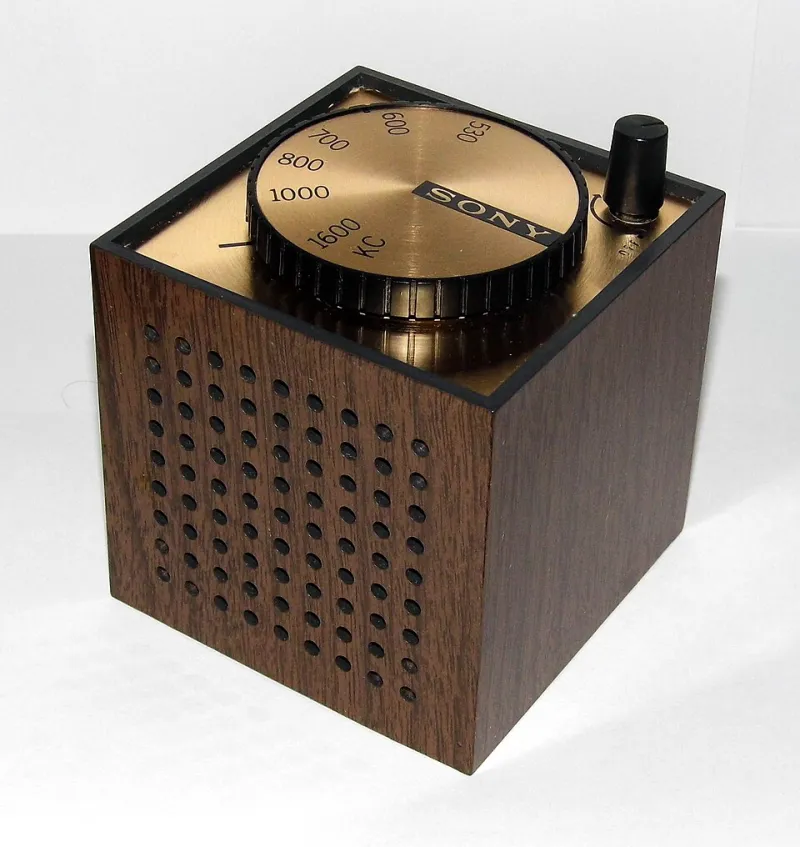
Photo: Joe Haupt from USA, CC BY-SA 2.0, via Wikimedia Commons
There's a moment, maybe ninety seconds after you push open the door, when you realize you've gotten nightlife completely wrong.
No bass drops. No bottles. No one shouting your name across the room. Just a wall of speakers taller than the bartender, a cup of siphon coffee in front of a stranger hunched over the sleeve notes like scripture, and John Coltrane playing so loud and so clean that conversation isn't just discouraged — it's physically impossible.
Welcome to the jazz kissa. Tokyo's anti-nightclub, and quite possibly the best night out you haven't had yet.
What Exactly Is a Jazz Kissa?
Jazz kissa (jazz kissaten) are listening cafes that popped up across Japan in the 1950s and '60s, back when records cost more than most people's rent. If you wanted to hear the latest Blue Note pressing, you didn't buy it — you went to a cafe that did, paid a small cover charge (usually ¥500–¥800, cheaper than a fancy latte back home), and sat there while the owner played albums front to back on a system that cost as much as a car.
Think of them as the original hi-fi listening rooms — the spiritual ancestors of your buddy's basement with the McIntosh stack, except these have been running since before Woodstock.
The formula hasn't changed much: dark wood, amber lamps, a counter of regulars nursing one coffee for two hours, and a master behind the bar who curates the music the way other people curate art collections. Some spots lean hard into hard bop. Others drift into bossa nova, free jazz, or Japanese city pop when the clock strikes eleven.
The Etiquette: How Not to Blow It
A jazz kissa runs on unwritten rules, and Americans especially tend to trip the wire on the first visit. Here's the cheat sheet:
Whisper or don't talk at all. The music is the main event. Chatting at full volume marks you as a tourist faster than a Yankees cap. If you must speak, lean close and keep it to a murmur.
Order something. The cover charge buys you the seat, not the evening. A coffee, a cake, or — at the more bar-leaning spots — a whiskey neat. Sip it slowly. Nobody's rushing you out, but nursing a single espresso for three hours is not just accepted, it's the whole point.
Phones down, screens dimmed. Shazaming a track is forgivable. Scrolling Instagram under the table lamp is not. If you want to know what's playing, check the handwritten playlist card often propped by the turntable, or just ask the master between records — quietly.
Don't request songs. This isn't a jukebox. The master is programming a set. Trust the process the way you'd trust a good DJ — because that's exactly what he is.
Three Spots Worth the Pilgrimage
The old guard (think Shinjuku and Kanda): These are the postcard kissa — velvet seats, a speaker system that could crack your sternum, and a crowd that's been coming since the Showa era. Expect a mix of retirees doing crosswords and twentysomethings who discovered vinyl through TikTok, sitting in perfect, comfortable silence together.
The basement hideouts (Shibuya and beyond): Descend a staircase that smells like old carpet and find a room lit entirely by the stereo's VU meters. These spots blur into bar territory after 9 p.m. — whiskey list gets longer, the records get moodier, and the cover charge quietly becomes a seat fee.
The new-school revival rooms: A handful of young owners have opened kissa-inspired listening bars in the last decade, swapping cigarette haze for natural wine but keeping the sacred rule: the record is the program. If the full-1970s immersion feels intimidating, start here. The crowd skews friendlier to English, and the masters tend to be evangelists happy to talk shop once the side ends.
A quick word of caution: jazz kissa are independently owned, often cash-only, and many don't want their addresses blasted online. Do a little digging, respect the ones that ask for discretion, and always check hours — some open at 5 p.m. and close when the master feels like it.
Why You Should Hurry
Here's the bittersweet part. These cafes are disappearing, one lease at a time.
The masters are aging out. The buildings — small, pre-earthquake-code structures on valuable land — are being sold to developers who don't care about a one-of-a-kind JBL system bolted into a wall. Every year, another kissa goes quiet for good, and there's no franchise model waiting to replace it. You can't recreate fifty years of cigarette smoke, spilled coffee, and devoted listening. Either it accumulates or it doesn't.
Which is why, for American jazz heads raised on Blue Note reissues and analog nostalgists who mourn the death of the record store, this is a pilgrimage with an expiration date. There is nowhere in the States — not a listening bar in Brooklyn, not a hi-fi lounge in Portland — where the culture runs this deep or the ritual runs this old. The kissa aren't a theme. They're the real thing, surviving out of pure stubbornness.
The Best Kind of Night Out Is the Quietest One
I've had wild nights in Tokyo — rooftop bars, 4 a.m. ramen, karaoke until my voice gave out. But the evening I keep replaying happened at a kissa in Kanda: eight strangers, one side of an Art Blakey record, and nobody saying a word for twenty minutes.
When the needle lifted, an old man next to me exhaled like he'd just finished a great movie, nodded at me once, and went back to his coffee.
That's it. That's the whole review. Go before the needle stops.