Roll the Dice, Tokyo-Style: Why the Best Nights Here Start With a Lottery Ticket
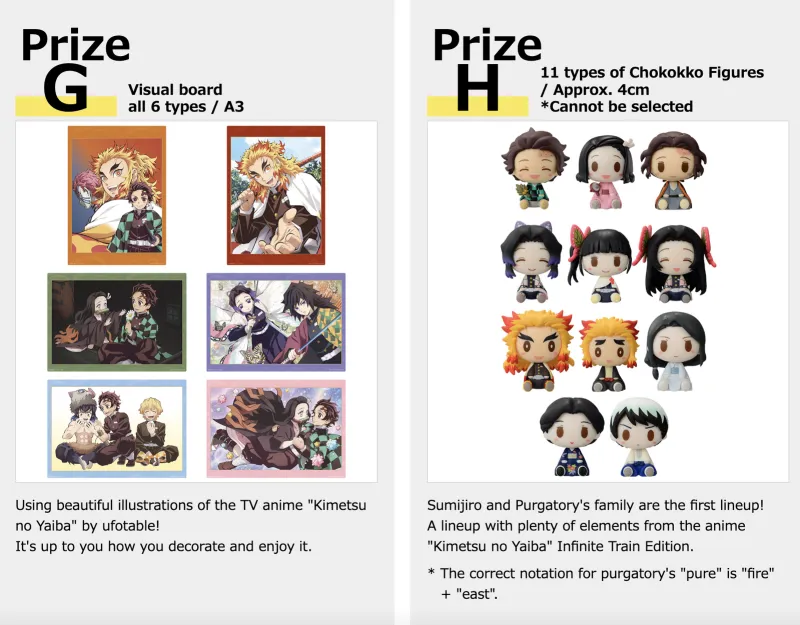
Photo: ichiban kuji lottery tickets convenience store Japan prize draw, via www.anime-oz.com
I came to Tokyo with a spreadsheet. You probably did too. Color-coded tabs, reservation confirmations, a Google Map dotted with pins like a general planning an invasion. Then a convenience store clerk handed me a ticket stub, pointed at a wall of glass boxes, and dismantled my entire travel philosophy for the price of a vending machine coffee.
The Konbini Casino
Here's how it works: you buy something — a drink, a snack, anything — and for 500 to 800 yen you can pull a ticket for an ichiban kuji draw. Every ticket wins something. The question is whether you walk away with the poster-grade figure of the character you love or a hand towel that says, vaguely, "Spring." There's no losing, technically. There's also no choosing.
Americans don't do this well. We're a nation of customization — build your own burrito, curate your own feed, pick your seat when you buy a movie ticket six weeks in advance. The idea that a machine, or worse, a cheerful teenager behind a 7-Eleven counter, gets to decide what your night yields? It feels almost rude.
But watch a local do it. They feed their ticket into the box, the clerk pulls the ball, and whatever happens, happens. A shrug. A laugh. Sometimes a small crowd forms when someone pulls the A-prize, and strangers cheer for a person they'll never see again. That's the part nobody puts in the guidebooks: the lottery isn't about the prize. It's a tiny, sanctioned moment of shared luck between people who have no other reason to talk.
Omikuji: Fortune Cookies With Follow-Through
Tokyo's oldest lucky-draw technology is at the shrine. You drop a coin in the slot, shake a hexagonal box until the sticks rattle like a maraca solo, and receive a strip of paper — your omikuji, ranked from daikichi (great blessing) to daikyō (great curse, good luck with that).
The ritual matters. If your fortune is bad, you don't pocket it and sulk. You fold it up and tie it to the wire rack outside, symbolically leaving the bad luck behind for the gods to deal with. It's emotional outsourcing, and honestly, we could use more of it back home.
I've watched salarymen in thousand-dollar suits do this at 7 a.m. before a big meeting. I've done it myself at midnight outside a tiny Asakusa shrine, three beers deep, and been told — I swear on my life — I would "meet a person of influence from the west." I met a bar owner from Osaka two hours later. Close enough to the west. I'm not saying omikuji works. I'm saying I now treat it like a very slow, very poetic Tinder match.
Omakase: The Chef Holds All the Cards
Then there's the dinner version. Omakase literally means "I'll leave it up to you" — you sit at a counter smaller than your American kitchenette, and the chef decides everything. No menu. No substitutions. No "can I get the dressing on the side." You are, in the politest possible sense, at the mercy of a professional.
The hole-in-the-wall version of this is even better. Places with six seats and no English signage where the owner looks at you, looks at what came in that morning, and starts cooking. You might get the best grilled fish of your life. You might get a plate of something you cannot identify and will not ask about. Both outcomes are the meal.
This is the same contract as the kuji draw and the shrine sticks: hand over control, receive something you couldn't have engineered, and let that shared surrender do the social work. The guy on the stool next to you also didn't choose his dinner. Now you have something to shrug about together. In Tokyo, a shared shrug is basically a friendship application.
The Itinerary Is a Cage
Here's my argument, and I'll make it while I'm up: the spreadsheet version of Tokyo is real, it's fun, and it's about 60% of what the city offers. The other 40% only opens up when you let the city deal you a hand.
So build one lucky draw into every night out. Buy the kuji ticket at the konbini before you head to the bar. Shake the omikuji box even if you're not religious, especially if you're not religious. Duck into the six-seat place with no menu instead of the reservation you made three months ago. Worst case, you get a mediocre hand towel and a story. Best case, you get the A-prize, a great blessing, and a chef who decides you're having the eel tonight whether you like it or not.
Tokyo spent centuries perfecting the art of the small gamble — 500 yen here, a paper fortune there, a dinner you didn't order. The city isn't hiding its secrets behind unmarked doors and basement stairs. Some of them are sitting in a glass box at the convenience store, waiting for you to stop planning and start pulling.