Ink at 1 A.M.: Inside Tokyo's Walk-In Tattoo Parlors, Where the Only Appointment Is Courage
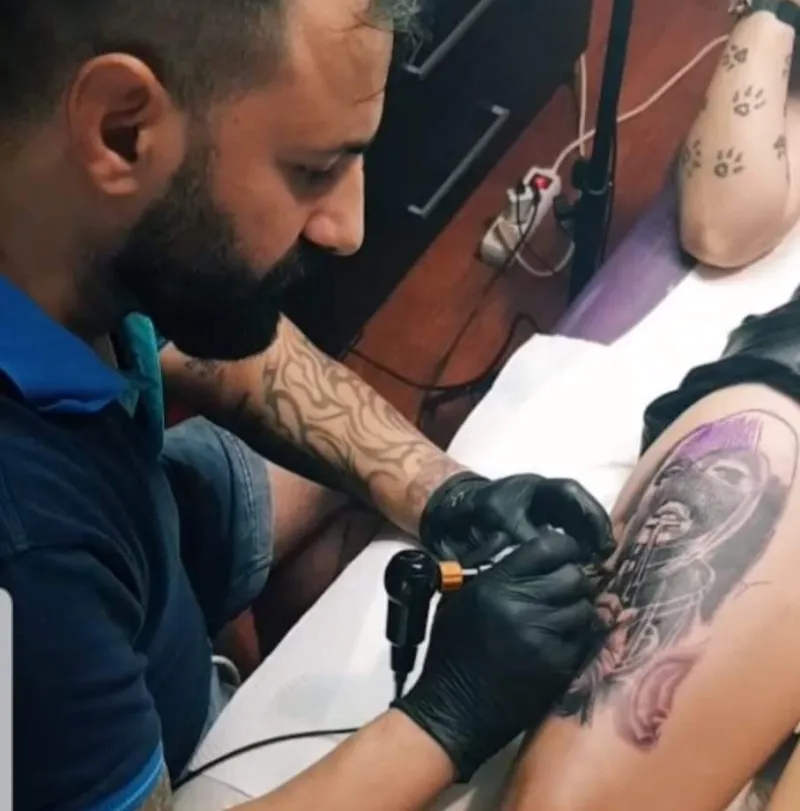
Photo: Jardel tattoo, CC BY-SA 4.0, via Wikimedia Commons
The Sign Says Walk Ins Welcome. In Three Languages.
The first thing you notice about Tokyo's late-night tattoo studios is how un-secretive they are. After a week of door bars and password-protected listening rooms, I expected a code word, a curtain, maybe a guy named Ken who'd pretend not to speak English until I proved myself. Instead: a glowing sign on the third floor of a Shinjuku mixed-use building, wedged between a taqueria and a place that sells phone cases. WALK IN WELCOME. OPEN UNTIL 4AM.
It's 11:40 on a Friday. The last train has come and gone, which in Tokyo means the night stops belonging to schedules and starts belonging to decisions.
A Country of Contradictions
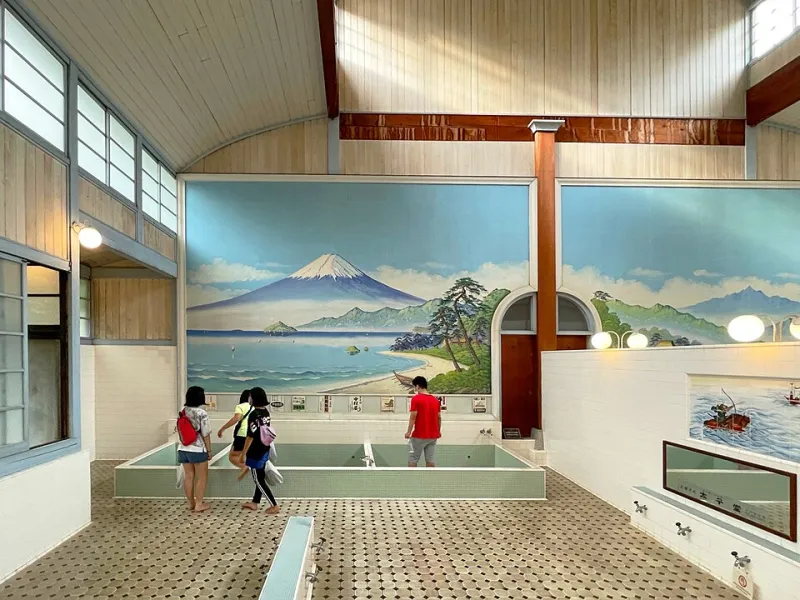
Here's the paradox that makes this scene fascinating: Japan has one of the most complicated relationships with tattoos on Earth. Ink is associated with yakuza in the popular imagination, which is why most sento bathhouses, gyms, and even some beaches still ban it outright. I've seen grown American tourists turned away from a hot spring because of a wrist-sized hummingbird.
And yet. Walk through Shinjuku, Shibuya, or Ikebukuro after midnight and you'll find studio after studio, lights on, needles buzzing. The clients aren't outlaws. They're a 26-year-old salaryman getting his late mother's birthday in thin script on his ribs. A French backpacker deciding, three Asahi in, that tonight is the night for a stick-and-poke koi. An Australian English teacher adding a seventh flower to a sleeve she's been building for two years.
The bathhouse ban and the studio boom are two sides of the same coin: tattooing in Japan lives in the in-between spaces — literally downstairs, literally after hours, literally under the shirt cuff.
How a Walk-In Actually Works
If you're used to American studio culture — the consultation, the deposit, the six-week waitlist for a four-hour piece — Tokyo's walk-in economy will feel like a foreign country within a foreign country.
Here's the typical flow. You walk in (revolutionary, I know). Someone hands you an iPad or points you to a wall of flash designs — the pre-drawn, ready-to-go artwork that defines this scene. Think of it like a diner menu rather than a tasting course: small, sharp, mostly line-work and traditional Japanese motifs. Koi. Dragons. Chrysanthemums. Hannya masks. Waves, because of course waves.
Prices for small flash typically run ¥5,000–¥15,000 (roughly $35–$100), cash or card depending on the shop. That's comparable to — often cheaper than — a walk-in at a Stateside studio, and the line-work quality in this city is genuinely absurd. Japan has a deep, centuries-old visual tradition of exactly the imagery that tattoos draw from, and it shows.
You wait. There's usually a couch, sometimes a vending machine (this is still Tokyo), occasionally a shop cat with attitude. When your name is called, the artist stencils, you check it in the mirror, and twenty minutes later you walk out changed. The whole thing can take less time than a Tokyo Disneyland churro line.
The Etiquette Nobody Tells You About
A few things I learned, sometimes the hard way:
Don't show up blackout. Some studios will absolutely tattoo a tipsy person; the good ones won't. If you smell like a distillery, expect to be told to come back tomorrow. This is a feature, not a bug — you want your artist judgmental.
Cash is still king in the smaller shops. Hit an ATM before you go upstairs, because the nearest 7-Eleven machine may not take your card at 2 a.m. (actually, it probably will — this is the one country where it will — but don't gamble).
Aftercare is universal. Second skin wrap, no onsen for two weeks, keep it out of the sun. Yes, this means your brand-new koi and your trip to a hot spring are in a custody battle. Plan accordingly: tattoo at the end of your trip, not the beginning.
Tipping doesn't exist here. Attempting it causes genuine distress. The price is the price.
Where the Scene Lives
You'll find clusters of studios wherever the night crowd congregates. Shinjuku's Kabukicho fringes and the streets around Nishi-Shinjuku have the highest density of late-open shops. Shibuya skews younger and flashier. Asakusa, fittingly, has shops that lean hard into traditional irezumi aesthetics — you're a stone's throw from Senso-ji, after all.
A word of honesty: I'm not going to name-and-shame or name-and-praise specific studios here, because the quality range is real, and the best move is doing what Tokyo locals do — checking a shop's Instagram for healed-work photos, not just fresh ink. Fresh tattoos photograph beautifully. Healed tattoos tell the truth.
Why 1 A.M. Is the Right Time
There's something fitting about the hours. Tattooing in Japan has always survived by operating in the margins — legal, technically, but socially sidelong. The late-night walk-in studio is the purest expression of that: no gatekeeping, no waitlist, no appointment made three months out while you were sober and sensible.
By 1:30 a.m., the studio had four clients waiting and a playlist that had cycled from city pop to something that sounded like dial-up internet having feelings. The salaryman left first, buttoning his shirt carefully over the ribs. The Texan — his name was Dale, he'd been in town for eleven hours — walked out with a small wave on his forearm and the stunned face of a man who'd made an excellent decision by accident.
That's the thing about Tokyo after midnight. The city runs on the same logic downstairs as it does upstairs, just compressed: precision, courtesy, and a quiet understanding that some things are better decided on impulse and kept forever.
Just maybe skip the onsen until it heals.
Prices and hours current as of writing; confirm with individual studios before visiting. Drink responsibly, tattoo responsibly, and check Google Maps' last-train feature before making any permanent decisions — of any kind.