The 5 A.M. Shift Meal: Where Tokyo's Night Workers Break Their Fast
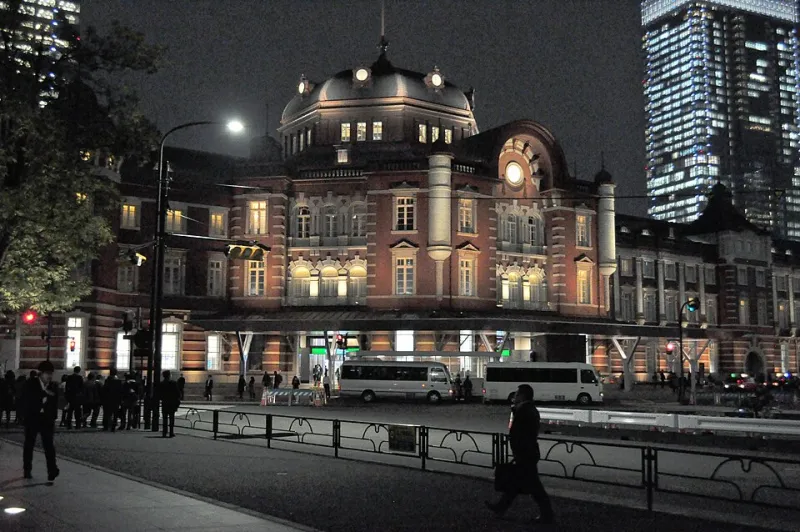
Photo: Joe Mabel on Flickr as Joe Mabel from Seattle, US, CC BY-SA 3.0, via Wikimedia Commons
The City Turns Its Lights Off. They Turn On.
It's 4:47 a.m. in Shinjuku, and the last customer just stumbled out of the tiny bar where Kenta has been mixing highballs for eleven hours. Most of us would call that the end of the night. For Kenta, it's the start of his favorite meal.
Tokyo's nightlife runs on an invisible workforce — bartenders, door staff, DJs, karaoke hosts, the folks who wipe down the counters while you're already asleep. And when their shifts end between 4 and 6 a.m., they don't go home. They eat. Together. Every night. What they've built is one of the city's best-kept food cultures: the after-shift meal, or makura-meshi as some old-timers jokingly call it — the pillow-adjacent feast.
If you've ever wondered where to eat at 5 a.m. like a local who's genuinely earned it, here's your roadmap.
The Industry-Only Ramen Counter
Every nightlife district has one — a ramen shop that seems unremarkable from the street but hums with staff jackets and name tags at dawn. In Kabukicho, it's a nine-seat counter a block off the main drag where the owner, a former jazz-bar drummer himself, doesn't open until 3 a.m. and closes when the tonkotsu runs out.
"This is where we decompress," Kenta tells me, sliding onto a stool next to two cocktail bartenders from Roppongi and a club lighting tech who's been awake for twenty hours. "You can't talk about work drama at a normal restaurant. Here, everybody gets it."
The etiquette is unspoken but strict: keep your voice down, order the shoyu if it's your first time, and never, ever take the last seat if you only worked a half shift. There's a hierarchy to exhaustion here, and everyone respects it.
For travelers, the good news is these spots aren't technically members-only. They're just invisible unless you know the hours. Pro tip: if you're out late anyway, follow the staff when the bars close. They always know where the food is.
The Conbini Curb Picnic
Not every after-shift ritual involves a shop. Some of the best meals in Tokyo's night economy happen on a curb, under fluorescent conbini light, with a plastic bag full of convenience-store spoils.
Mika, a veteran door girl at a Golden Gai-adjacent bar, swears by what she calls "konbini picnic rules": hot items go in one bag, cold in another, and everything gets eaten within walking distance of the register because "cold karaage is a crime." Her crew of five spreads out on a loading-dock ledge in Shibuya, splitting onigiri, fried chicken, and one ceremonious can of Strong Zero while delivery trucks rumble past.
"Tourists think eating on the street is rude," she laughs. "But at 5 a.m.? The whole city is ours."
She's right about the etiquette nuance. Japanese convenience-store culture frowns on eating while walking, but sitting down — on a curb, a bench, a railing — is fine. Buy it, step aside, enjoy it. Toss your trash back at the store. That's the whole social contract.
Oden, Offal, and the Dawn izakaya
Then there's the rarest breed: the actual restaurant that keeps night-worker hours. Scattered around the edges of Tokyo's entertainment districts are a handful of tiny izakaya and oden counters that open at 4 or 5 a.m., timed precisely for the shift-change crowd.
These places serve the kind of food that a night-shift body craves — hot oden broth, grilled chicken skins, rice with a raw egg cracked over it, and, yes, one more beer, because apparently the shift isn't really over until someone proposes a toast. The clientele is a cross-section of the underground economy: strippers and sushi apprentices, taxi drivers and the occasional very confused jet-lagged tourist who wandered in thinking it was a late dinner.
The unwritten rule at these counters: don't gawk, don't rush, and don't ask anyone what time they clocked in. Everybody's clock is a little broken here.
How to Eat Like the Night Shift (Without Working It)
You don't need a staff badge to join this world — you just need to adjust your clock. A few ground rules from the pros:
- Time it right. The window is roughly 4 to 7 a.m. Arrive at a ramen counter at 5:30 and you'll be surrounded by people who've been up for twelve hours and have stories.
- Match the energy. These are decompression meals, not party meals. Keep it mellow, keep it quiet.
- Follow the jackets. Staff uniforms and lanyards are the best compass for finding where the real food is.
- Sit down to eat your conbini haul. It's the difference between looking like a local and looking like a lost tourist.
- Cash helps. The dawn spots skew old-school, and some don't take cards.
The Best Meal Is the One You Earned
There's a saying among Tokyo's night workers that food tastes different after a shift — that the fatigue seasons it. Spend one dawn at a counter full of bartenders slurping ramen in near silence, and you'll understand.
Tokyo Downstairs has always been about what's beneath the neon. But sometimes the real underground isn't a basement bar or a hidden door. Sometimes it's a bowl of shoyu ramen at 5 a.m., shared with strangers who've spent all night making sure everyone else had a good time.
Pull an all-nighter. Earn your seat. The ramen will never taste better.